POPUP / Insights
A traveling activation carries more than a set of fixtures. It brings a recognizable experience into different places, with a design and operating plan that can adapt without losing the brand's identity.
Originally published January 6, 2024. Updated September 29, 2026.
Decide what needs to travel
Begin with the experience people should recognize at every stop. That might be a retail environment, a product demonstration, an artist's creative world or a place for a community to gather. Identify which elements carry the story and which can change to suit the location.
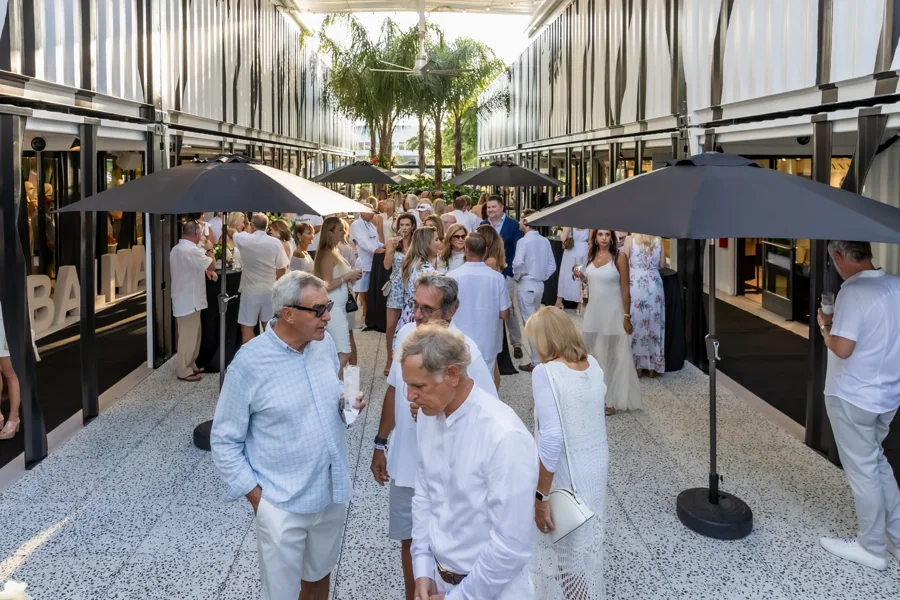
Bal Harbour Shops ACCESS demonstrates the ambition of a traveling retail destination. Its boutiques, hospitality and planted courtyard bring a sense of the Miami setting into other markets. The environment works as a whole, with the spaces between shops contributing to the visit.
Design for repeatable assembly and daily use
Transport dimensions, access routes, loading, power and storage affect what can be built. Consider these constraints while the creative concept is still taking shape. A component that looks right in a rendering must also survive packing, installation and repeated use.
Material selection and maintenance planning help preserve the experience over time. Decide which parts can be reused, what needs replacing between stops and how the team will handle repairs. Clear documentation makes it easier to carry the intended finish from one market to another.
Adapt the visit to each location
A traveling format needs local decisions about arrival, hours, staffing and surrounding activity. The invitation may change between a shopping destination, a city street and an event site. Keep the core experience clear while giving the team room to respond to the setting.
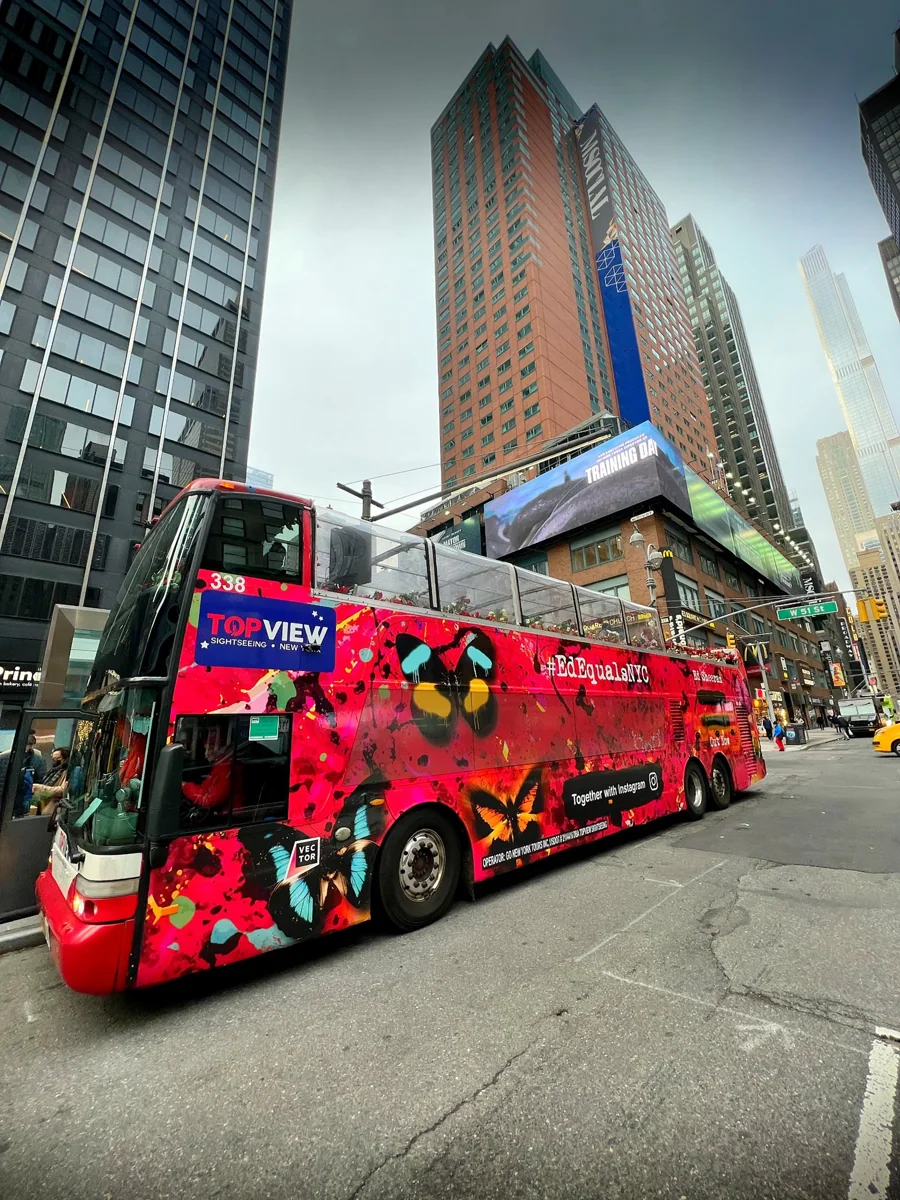
A mobile listening experience such as Ed Sheeran's Equals bus uses movement as part of the idea itself. Other formats travel between markets and remain in place while guests visit. The right operating model follows the experience, rather than treating every tour as the same kind of project.
Build learning into the route
Leave room to review what happened before the next stop. Guest questions, circulation, product interest and practical operating notes can inform adjustments. Record what changed so the team can distinguish a local condition from a recurring issue.
A successful tour feels consistent to visitors while becoming easier to deliver for the people behind it. Treat the route, the design and the daily operation as connected parts of the same experience.