POPUP / Insights
A vehicle can be a serving window, a listening room, a moving display or the focal point of an arrival. Its role should grow from the campaign idea and the way people will encounter it.
Originally published November 1, 2023. Updated September 29, 2026.
Choose the vehicle for the interaction
A sampling truck needs a clear queue and a workable serving area. A bus experience needs a considered boarding process and a comfortable journey. A display vehicle may be encountered briefly from the sidewalk. Those differences should guide the format before the wrap is designed.
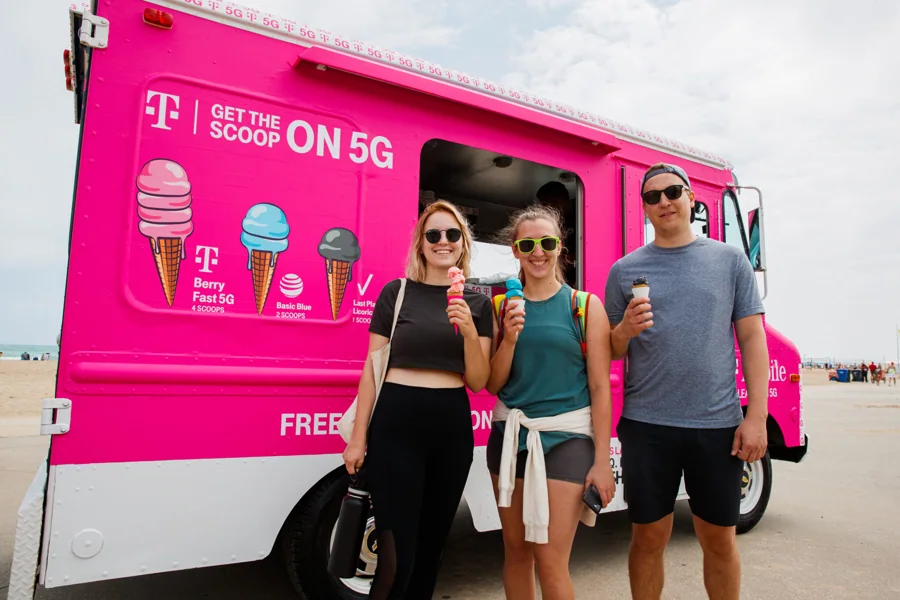
For T-Mobile's ice-cream activation in Chicago, the vehicle supported an approachable product analogy and a familiar summer ritual. The serving interaction carried the creative idea, while the branded truck made the campaign visible in its surroundings.
Let movement become part of the story
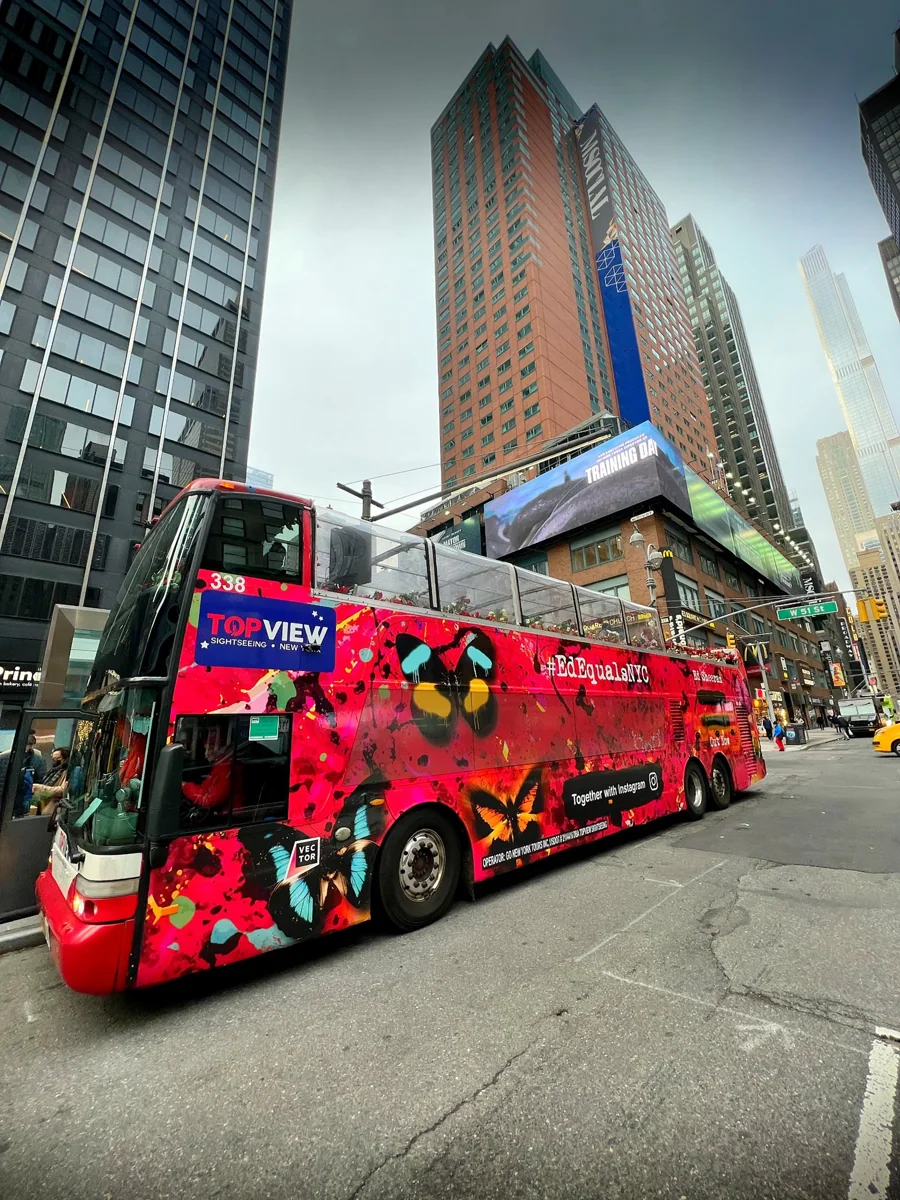
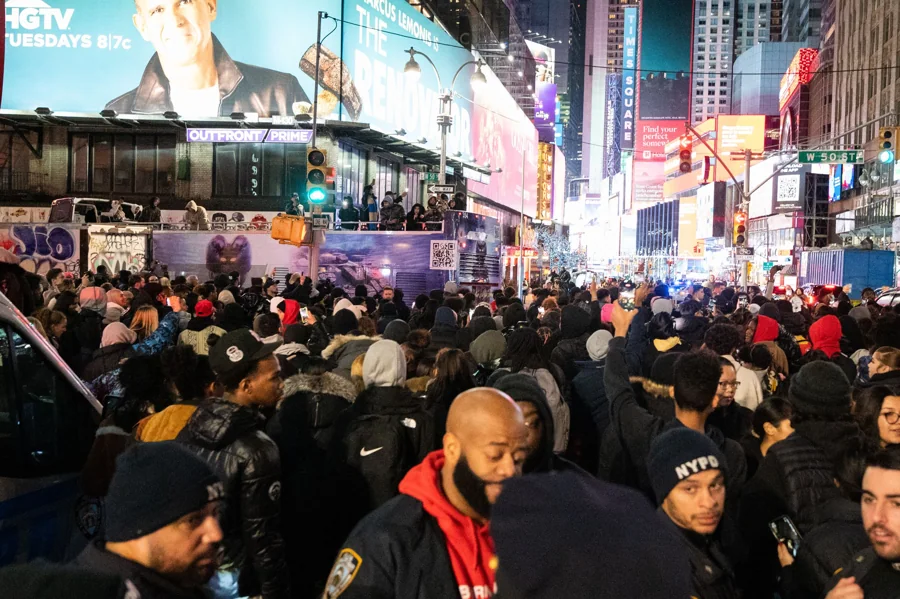
Ed Sheeran's Equals bus brought an album experience into New York's streets. A Boogie's Me vs. Myself listening-party bus similarly connected an artist release with the city and its fans, building toward a Times Square gathering. The vehicle was part of how the audience encountered the music.
Other campaigns use vehicles to establish a visual presence around an event. POPUP's work with Burna Boy in Miami and AliExpress's Singles' Day activity shows how a coordinated arrival can connect the street with a wider campaign.
Make the experience legible from outside
Someone passing a parked vehicle should be able to understand whether it is a display, an invitation to participate or a service point. Keep essential information readable and position hosts where they can help. Photography opportunities should fit around the guest journey.
The exterior and interior can tell different parts of the same story. A strong wrap attracts attention, while a useful activity gives people a reason to stay. Plan capture so it records the interaction without obstructing it.
Develop the route alongside the creative
Stopping locations, access, operating permissions, power, loading and crowd management shape what is possible. Review the actual route and intended guest behavior early. A vehicle's ability to move does not make every curb or parking space a suitable activation site.
Prepare the team for changes in weather, timing and attendance. Clear responsibilities and a workable contingency plan protect the experience when conditions shift. The campaign is strongest when the creative concept and the practical delivery support each other.