POPUP / Insights
People need a reason to stop, a clear way to join in and an experience that rewards their attention. Those practical decisions are more useful to a pop-up brief than a promise that one psychological trick will create loyalty.
Originally published January 18, 2024. Updated September 29, 2026.
Use curiosity to open the conversation
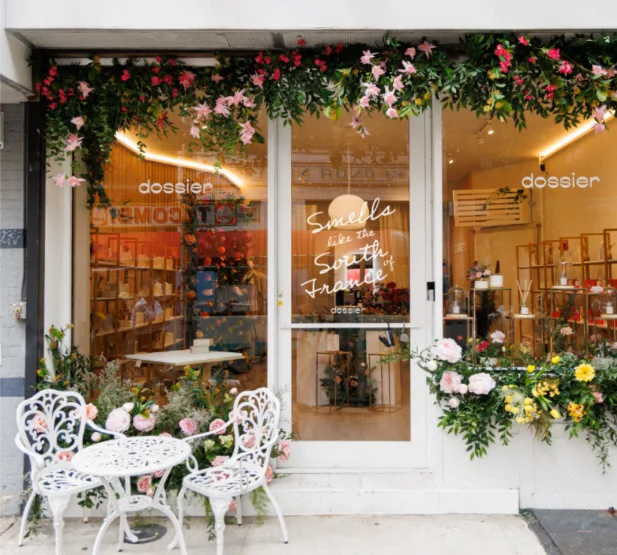
An unexpected setting, a distinctive object or an activity visible from outside can invite a closer look. The next step should be understandable. Give a passerby enough information to decide whether the experience is for them and how to take part.
A temporary run can give an activation a defined moment, but the invitation should be accurate. Clearly state when it is open and what is available. Avoid creating pressure where a straightforward explanation of the experience would be more useful.
Make sensory detail serve the idea
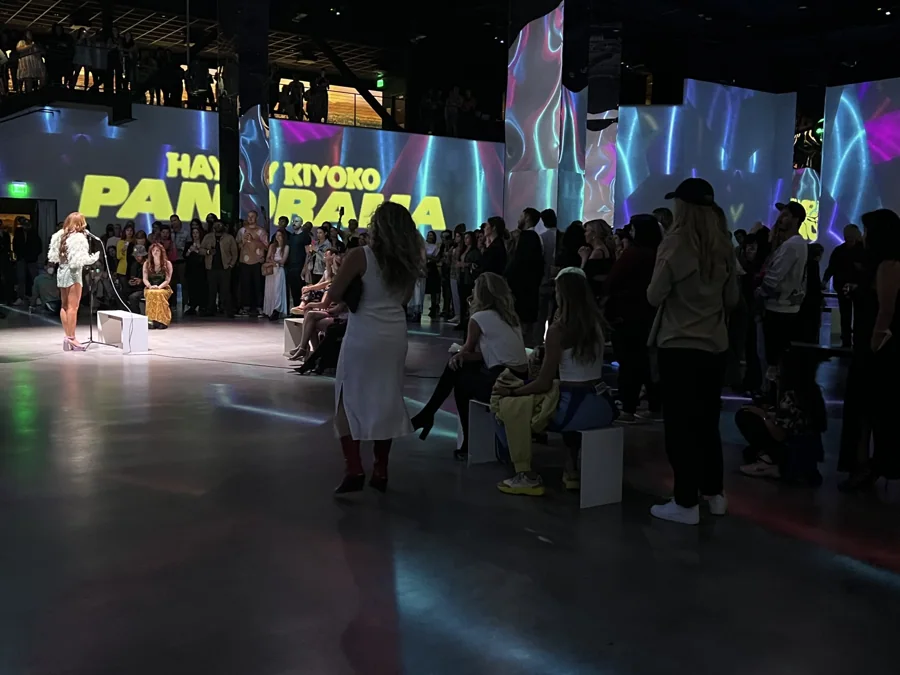
Hayley Kiyoko's Panorama experience used an immersive projection environment to bring fans into the world of the music. The setting connected what visitors saw and heard with the release, giving the design a clear creative purpose.
Sound, light, texture and movement should be considered together with comfort and access. More stimulation is not automatically a better experience. Provide understandable routes through the space and alternatives where a particular interaction may not suit every guest.
Offer participation that feels personal
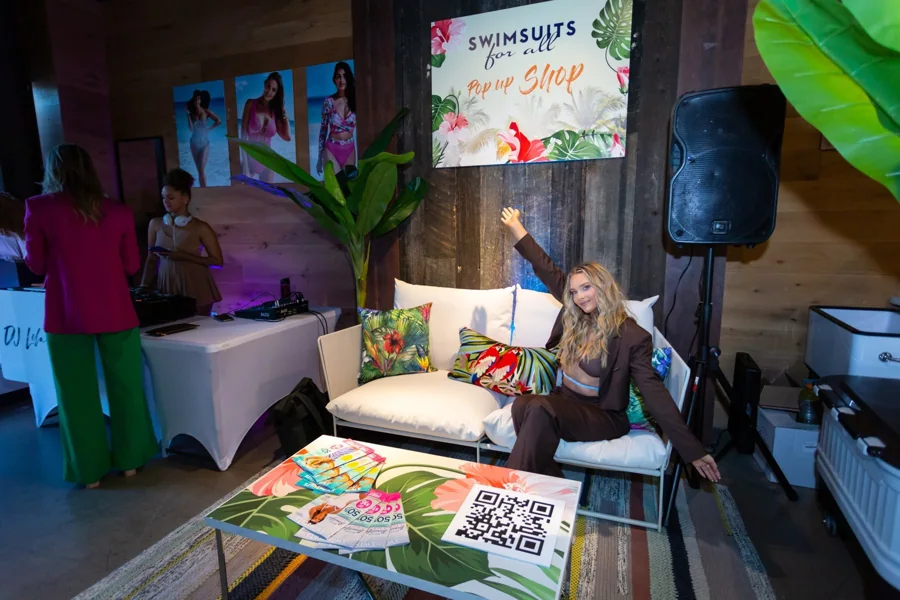
Customization can give someone an active role in the experience. At Swimsuits For All's pop-up, personalized merchandise formed part of the encounter. The activity offered a tangible reminder of the visit without needing to make every guest's journey identical.
Participation can also be as simple as asking a question, choosing a product to explore or contributing to a shared activity. Keep instructions clear and allow people to watch before deciding to join in. Respect the visitor's choice about both participation and follow-up.
Give shared moments a useful continuation
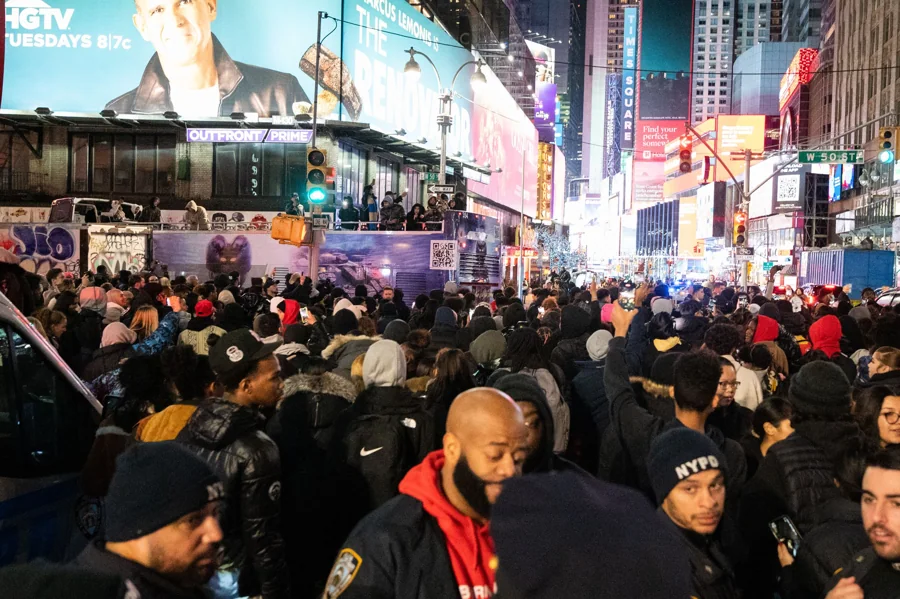
A Boogie's New York listening-party bus connected fans around a release in a public setting. The gathering offered both an in-person experience and a story that people could follow elsewhere. Shared attention was part of the format, rather than a separate feature added afterward.
Review what people understood and valued about the visit. Guest comments, questions and observed behavior can reveal where the concept connected and where it was unclear. Use those findings to improve the next experience without assuming that attention alone proves lasting loyalty or a commercial result.