Project location: New York, NY · Project context: 2024 · Prepared by POPUP from the project archive in October 2026.
A fragrance pop-up should help visitors make a choice they cannot fully make through a screen. Start with that decision, then connect the sensory experience with service, personalization and a functioning shop.
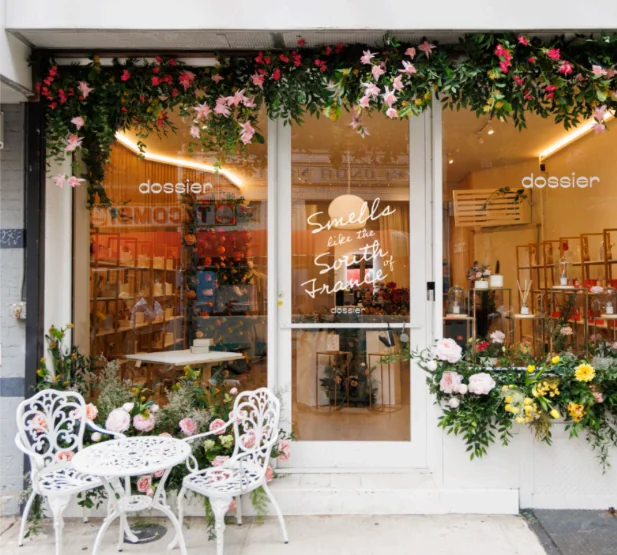
Dossier’s June 2024 New York pop-up is the context for this guide. The Dossier project story documents the setting, photography and delivered work. These five decisions are a framework for your next brief.
1. What should a visitor be able to decide?
Name the decision the experience will support: comparing scents, understanding a collection or selecting a gift. Use it to choose which products receive attention and how hosts introduce them. A broad assortment and an elaborate environment are not substitutes for a useful route through the offer.
2. How will discovery connect with checkout?
Map arrival, testing, conversation and purchase. Give visitors room to pause and compare without obstructing those ready to buy. Decide how staff will respond to repeat questions and how someone can find an item they have just tested.
3. Where does personalization fit?
Specify the eligible products, specialist capacity, order handoff and collection process. Plan what guests can do while they wait and who explains availability if the remaining appointments are limited. The personalized object and the retail transaction need a shared operating route.
4. Who owns the daily retail operation?
Assign stock counts, replenishment, payments, returns, queue decisions and opening and closing checks. Confirm which responsibilities sit with the brand, agency, venue and specialist vendors. Review how the team will handle an unavailable product or a change to the expected visitor flow.
5. What should the team learn from the floor?
Agree which observations could inform a future retail decision: recurring product questions, points of hesitation, queue pressure and stock availability. Keep these observations separate from verified transaction totals. A visit, a test and a purchase are different signals.
Bring the decisions into one brief
Share the collection, intended audience, proposed market and operating period alongside the answers above. Flag what is fixed and what still needs testing. That gives design, production and retail operations a common starting point instead of three separate versions of the experience.
Project responsibilities
For the Dossier activation, POPUP delivered experience design and production, personalization vendor coordination, staffing and guest management, and POS and inventory operations. Dossier retained its original brand artwork, marketing, talent agreements, guest-list development and PR/social activity. The planning framework does not expand those responsibilities or claim unreported sales results.
Explore related work
Further reading
For the wider event and campaign context: