Future Fairfax, Los Angeles
Make the artist’s world shoppable.
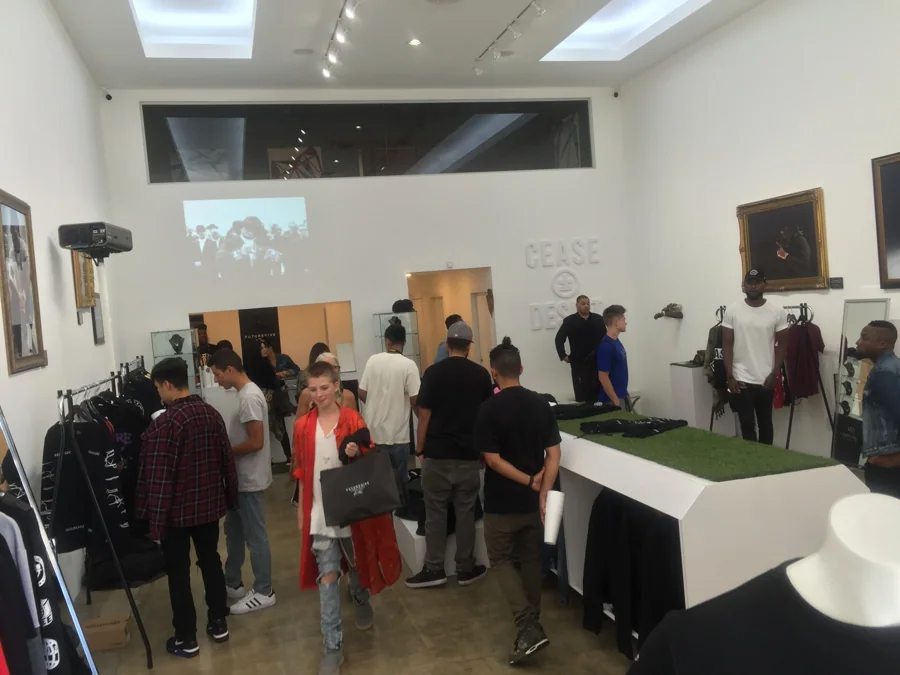
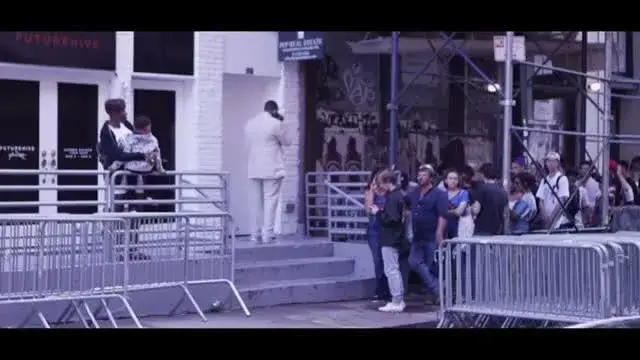
An artist-retail brief needs to connect collection discovery with the world fans recognize. This guide uses the Fairfax FutureHive boutique as a visual reference for planning a future space. For the delivered project, read the FutureHive Los Angeles project story. The photographs show The Pop Up Team’s earlier work through Fancy.com, before POPUP.
The planning question
What should fans discover beyond the music?
Choose what the physical space adds: a collection to compare, objects to explore or time together around an artist’s ideas. Give that purpose a place in the brief before selecting props or an opening format. The guidance here is for future planning, rather than an additional account of the 2016 delivery.
Historical context
The project behind this reference.
This Los Angeles FutureHive edition belongs to the team’s earlier artist-retail work through Fancy.com. It is presented separately from the New York boutique and the later Nobody Safe tour shop.
- Artist retail experience
- Merchandise presentation
- Gallery environment
- Opening gathering
The Pop Up Team’s earlier work through Fancy.com, before POPUP. Shown as part of the team’s experience; not a POPUP-era commission.
Planning decisions
Give the collection an understandable route.
Decide how visitors will recognize the range, compare items and find support. Map the route between display, conversation and checkout, then test it against the space needed to pause and browse. A central object can orient the visit, but its position should serve the collection and the customer route.
Choose what belongs beyond merchandise.
Ask what each artwork or object helps a fan understand about the artist’s world. Give window displays, small details and larger installations different jobs. Keep the product offer legible so that the room can work as a shop as well as a visual environment.
Historical visual reference
Inside the 2016 Fairfax boutique.
More from the project
Briefing checklist
Connect the fan experience with a working shop.
Plan participation and trading together.
If an opening or artist encounter is part of the concept, map how it changes arrivals, waiting and access to the collection. Define the promise for each audience and explain what remains available outside that moment. Give staff a clear route for product questions, stock and checkout while the program is running.
- What does the space add to the artist’s existing world?
- Which products and objects should visitors understand first?
- How will browsing, waiting and purchase coexist?
- Who approves creative references and guest communications?
- What makes a complete visit for someone who does not buy?
Continue the story
More with Future.
See all Future work →
Your next project