
POPUP / Insights
A brand story becomes more tangible when people can move through it, interact with it and recognize themselves within it. Experiential storytelling connects the idea with what a visitor actually sees, hears and does.
Originally published December 22, 2023. Updated September 29, 2026.
Find the idea that holds the experience together
A narrative does not need to be complicated. It needs a clear point of view. Begin with the brand’s identity, the people it wants to reach and the feeling or understanding the experience should leave behind. That central idea can guide everything from the venue and materials to the guest interactions.
The story should also be grounded in something real. A collaboration, an artist’s creative world, a product’s craft or an established community gives the experience a foundation. Specific details make that connection more convincing than broad promises about inspiration or belonging.
Invite the audience into the world
Oliver Tree’s Cowboy Tears Meme Museum translated the artist’s visual identity and humor into a physical pop-up. The experience gave fans a world to step into, with playful environments and opportunities to participate. The narrative extended beyond merchandise to the way the space felt and how visitors interacted with it.
That distinction matters when developing an immersive concept. Ask what visitors can discover or contribute at each stage. A sequence of spaces, a reveal or an unexpected detail can create momentum, but the experience should remain understandable without a long explanation.
Let collaborators make the story more specific
The Puma and Roland collaboration connected a sneaker launch with the culture of music creation. POPUP’s event brought that relationship into a live setting. The connection between the brands provided the creative starting point, helping the experience feel related to the collaboration rather than added on afterward.
Choose partners whose contribution is visible in the finished experience. Their role might appear in the sound, the design, the programming or a hands-on activity. Clear credits and accurate descriptions help audiences understand what each collaborator brought to the project.
Use place and sensory detail with intention
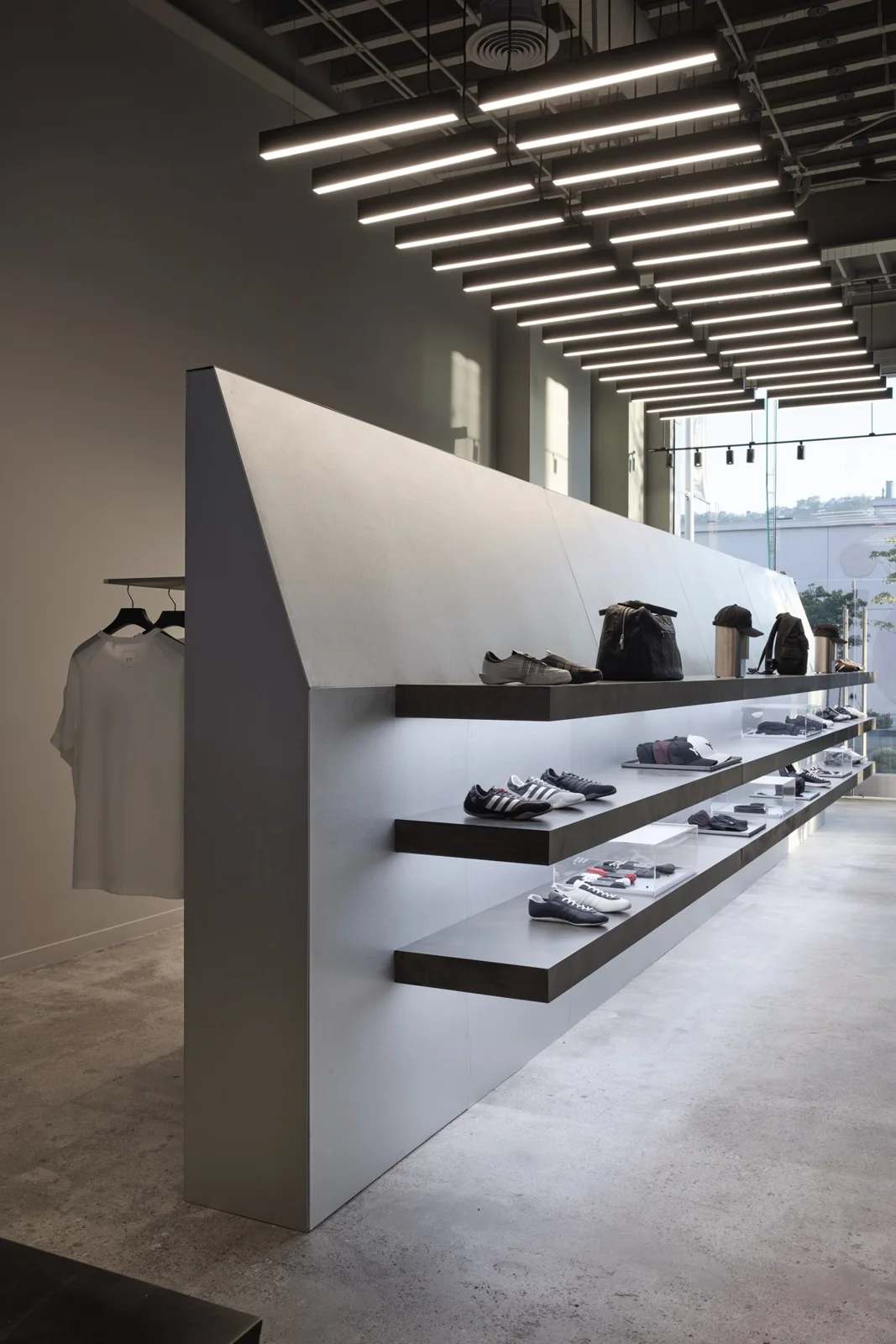
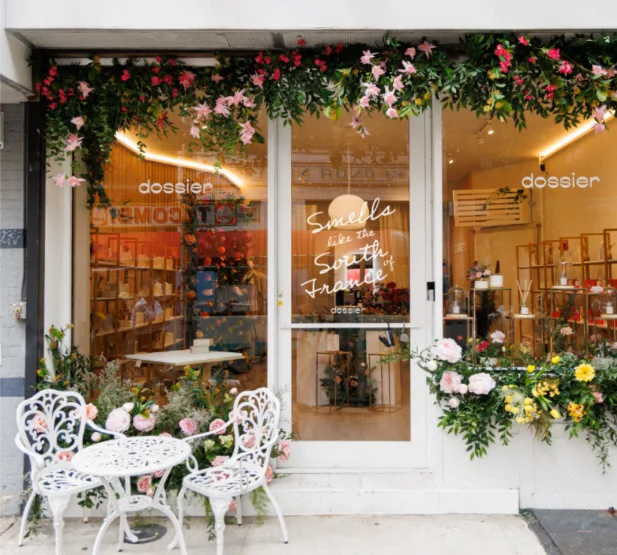
Bal Harbour Shops’ traveling retail experience carried elements of its Miami identity into other markets. Landscaping, atmosphere and the way visitors moved between shops helped communicate a sense of place. The setting became part of the retail story, alongside the brands and products inside it.
Sensory detail should support the narrative and the people using the space. Consider the balance of sound, light, materials and circulation. Give visitors comfortable ways to engage, including alternatives where an interaction depends on a particular device or sensory experience.
Look for understanding, not just attention
After an activation, ask what visitors took away. Their comments, questions and shared content can reveal which parts of the story were clear and which needed more context. An experience can be visually striking while leaving its purpose uncertain; useful evaluation looks at both.
The aim is to make the brand’s story feel coherent across the invitation, the live encounter and the follow-up. When those parts connect, the experience offers something people can recall in their own words—and a reason to continue the relationship.