POPUP / Insights
A playful experience gives visitors permission to join in. Humor works best when it belongs to the artist or brand, and when the activity is enjoyable before anyone takes a photograph.
Originally published October 8, 2023. Updated September 29, 2026.
Start with a recognizable sense of humor
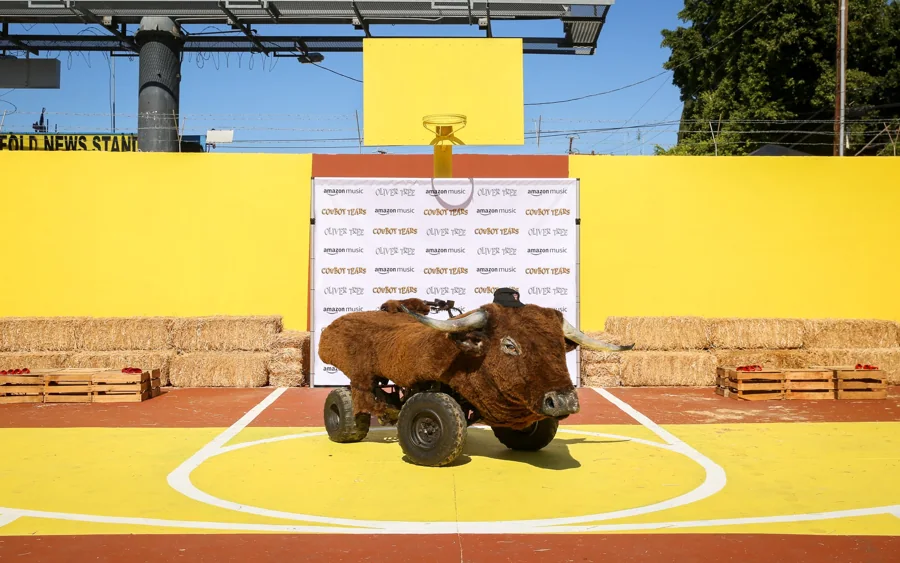
Oliver Tree's Cowboy Tears Meme Museum translated the artist's visual world into a physical environment. An oversized scooter, unusual props and playful appearances gave fans details they could recognize and interact with. The humor came from the artist's identity, which made the experience feel connected to the release.
A joke added to an unrelated setting can feel forced. Instead, look for something the audience already enjoys about the brand: a character, a shared reference, a visual exaggeration or a familiar situation seen differently.
Give visitors something to do
At Ed Sheeran's No.6 Collaborations Project pop-ups, costume and green-screen photography invited fans into the experience. The activity gave people a role in creating the image they took away. Participation made the setting personal without requiring every guest to engage in the same way.
An effective interaction is easy to understand from watching someone else. Keep instructions short, make the entry point obvious and give guests a comfortable way to opt out. A spectator can still enjoy the experience without becoming the subject of a performance.
Connect the game to the message
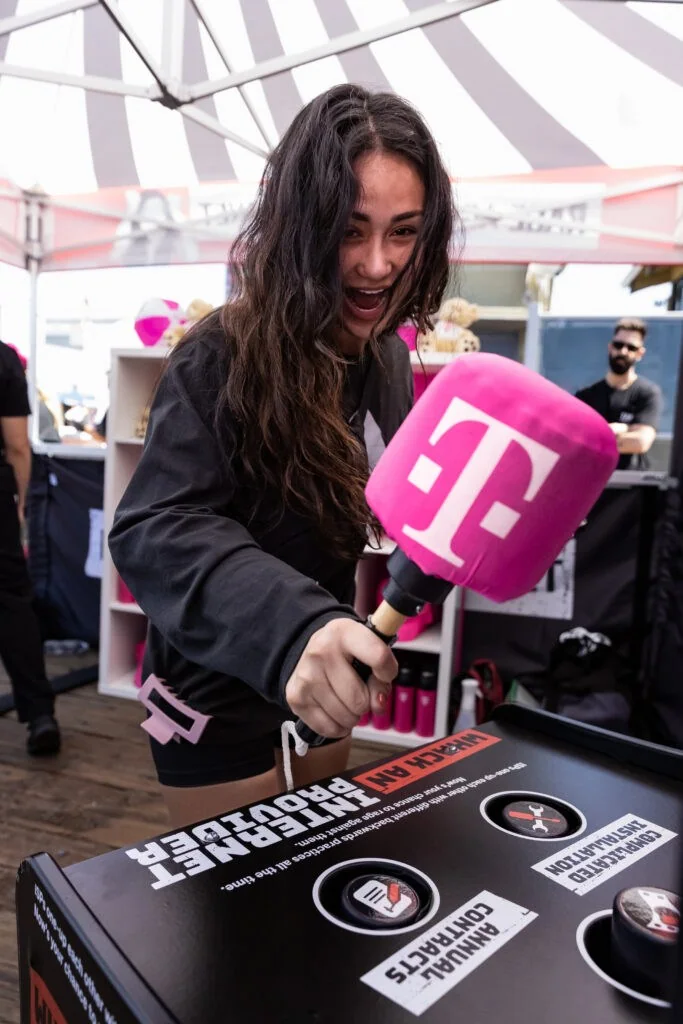
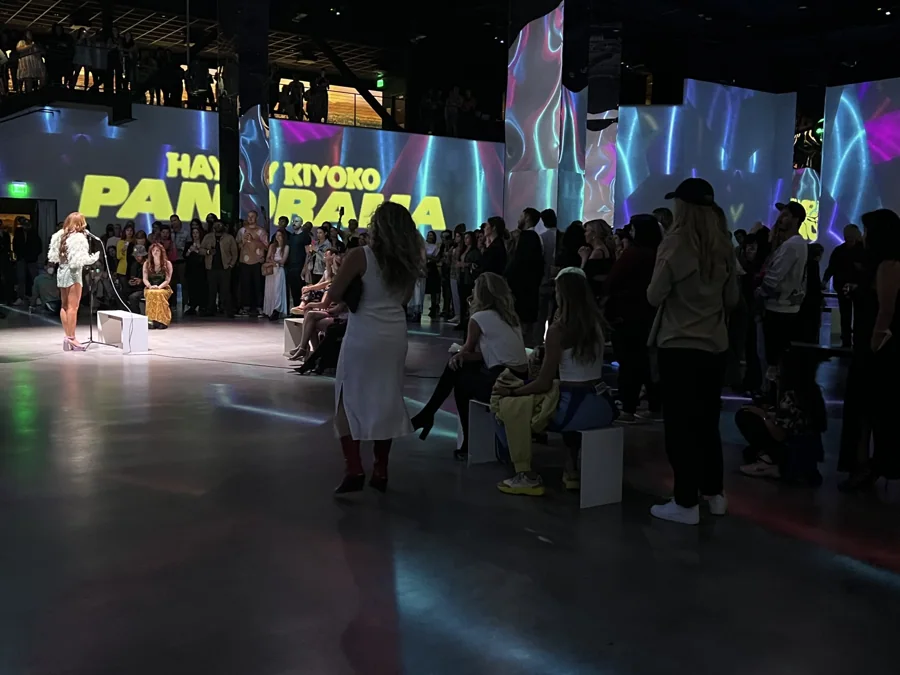
T-Mobile's Santa Monica Pier activation used a custom Whack an ISP game to turn a brand idea into a physical activity. The game and its surrounding environment carried the message together. Hayley Kiyoko's Panorama experience used a different approach, drawing fans into an immersive world built around the music.
The right format depends on the audience and the story. A competitive game, a collaborative activity and an immersive room create different kinds of participation. Choose the behavior that helps express the idea, then design the space and staffing around it.
Observe the experience, not only the photographs
Guest reactions can reveal where an interaction works and where it needs adjustment. Watch whether people understand the invitation, whether waiting feels comfortable and whether the activity encourages conversation. These observations are useful alongside feedback and shared content.
Humor should leave guests feeling included. Test the concept with people outside the immediate creative team and consider how it reads without an explanation. The goal is an experience people enjoy taking part in and can describe in their own words.