Project location: Across the United States · Project context: 2023–2025 · Prepared by POPUP from the project archive in October 2026.
A touring retail destination is a sequence of operating locations, not a single build moved several times. Each residency needs a ready site, a clear delivery plan and a reason for the local audience to visit.
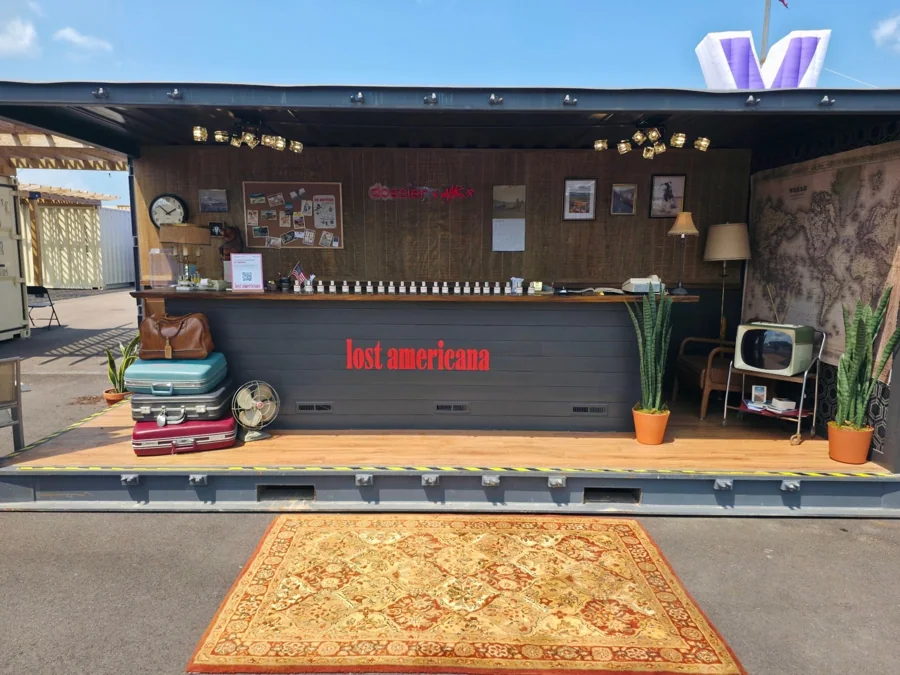
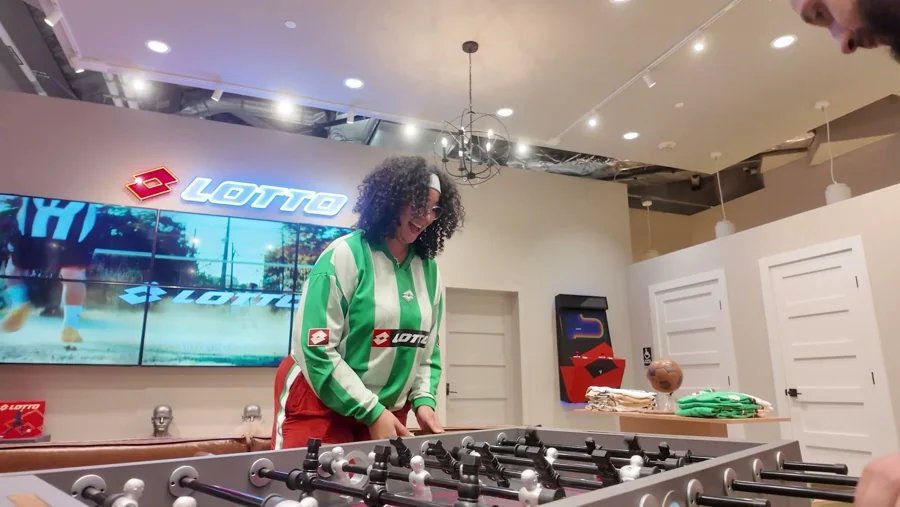
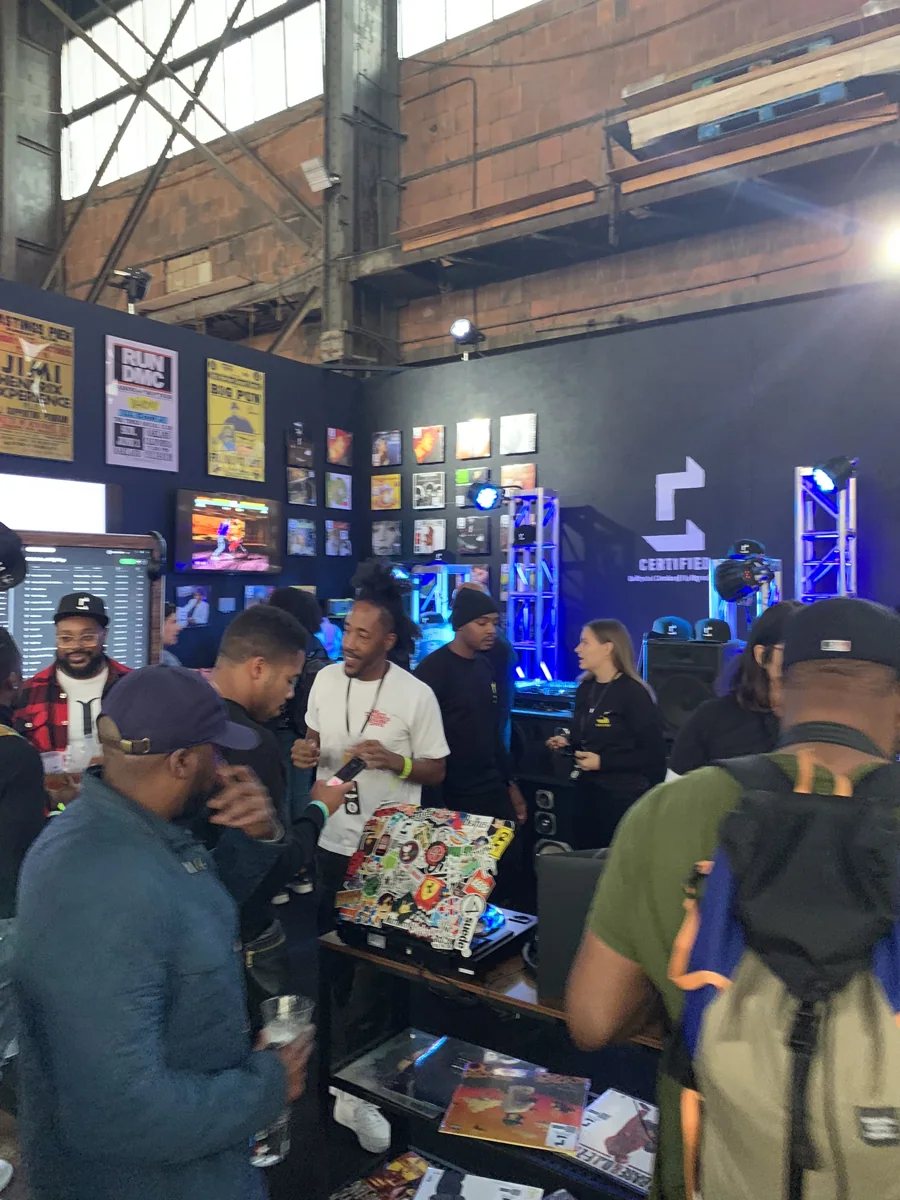
The Bal Harbour Shops ACCESS project story documents the boutiques, hospitality and traveling environment. The checklist below helps frame a new multi-market brief without repeating that project recap.
Evaluate the sites before committing the route
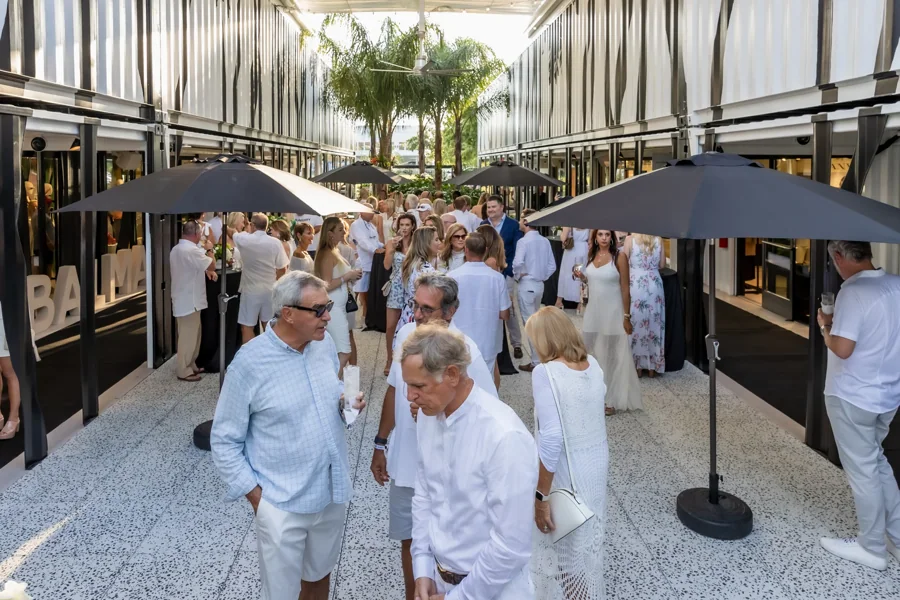
For each candidate location, establish what is known about access, available space, utilities and the intended uses. Record unanswered questions and who will assess them. A promising market and a deliverable site are separate decisions; both need to support the residency.
Build the schedule around handoffs
Connect the end of one stop with transport, site readiness, installation and the next opening. Ask who confirms that the receiving site is ready before materials move. Include a response to delays rather than treating every handoff as a fixed certainty.
Plan retail and hospitality as connected operations
If the destination includes stores, dining and shared areas, review the visitor route and operating responsibilities across them. Clarify which teams manage deliveries, guest questions, upkeep and daily opening. Shared atmosphere should not leave practical ownership ambiguous.
Give local programming a place in the plan
Identify which parts of the proposition remain consistent and which can respond to the city. Establish how local partners and retailer events will be proposed, approved and delivered. A residency needs a calendar that fits its audience and operating capacity, not just an opening announcement.
Prepare the next stop while learning from this one
Keep a record of site-specific issues and changes that could improve future delivery. Separate a local exception from a repeatable operating lesson. Review that record before confirming assumptions for the next market.
Inputs for a touring destination brief
- Target markets and the purpose of each residency.
- Proposed timing and the period between stops.
- Retail, hospitality and service requirements.
- Known site information and the assessment owner.
- The split of touring responsibilities and local support.
- Programming approvals and how operating lessons will be shared.
Project credits and scope
POPUP connected the tour’s physical delivery with its market launch: site assessment and preparation, build oversight, transport coordination, operating plans, local relationships and event programming with Bal Harbour Shops’ teams.
Delivered with Bal Harbour Shops, its operations and marketing teams, and participating retailers. Architectural design by LOT-EK.
WWD’s December 7, 2023 account credits Studio Zewde with the movable garden and BMarko Structures with container fabrication, alongside LOT-EK’s architectural work. See the WWD project coverage hosted by Bal Harbour Shops for these component credits.
In its account of developing the ACCESS Pop-Up, BCO Consulting identifies The POP-UP Agency as the specialist selected to help with transport, assembly and promotion.
Explore related work
Further reading
For the wider event and campaign context: