POPUP / Insights
A pop-up gives people a place to experience a brand for themselves. The strongest concepts connect a clear purpose with a setting, an activity and a visitor journey that belong together.
Originally published January 4, 2024. Updated September 29, 2026.
Start with what people should experience
Before choosing a venue or designing a set, decide what the activation should help people understand. Is the product unfamiliar? Does its quality need to be felt or tried? Is the aim to introduce a new collection, celebrate a community or bring a brand story to life? Those questions shape the experience more usefully than a list of features.
A temporary space can create a focused invitation. The limited run gives the campaign a defined moment, while the physical setting lets visitors explore at their own pace. A clear proposition helps the right audience recognize why the experience is relevant to them.
Make the product part of the interaction
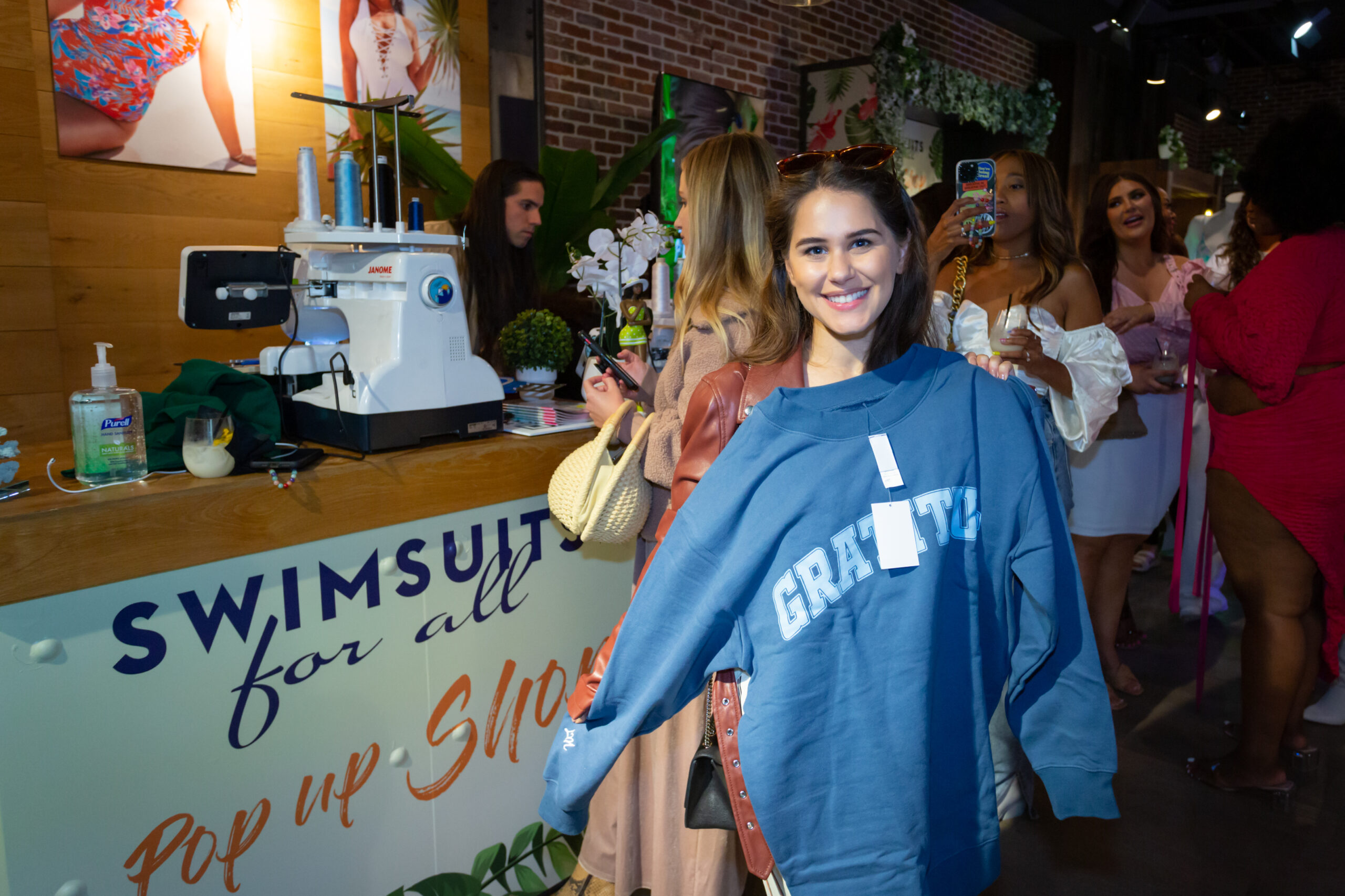
Personalization, demonstrations, sampling and guided discovery can turn an encounter into something more memorable. At the Swimsuits For All pop-up with Camille Kostek, customized merchandise formed part of the visitor experience. The interaction gave guests a tangible connection to the event and something that reflected their participation.
The activity should support the product and the brand. An elaborate installation can attract a photograph, but a useful interaction helps a visitor understand what makes the offering distinctive. Consider how staff explain the experience, how long each activity takes and what happens while guests wait.
Use technology where it adds to the story
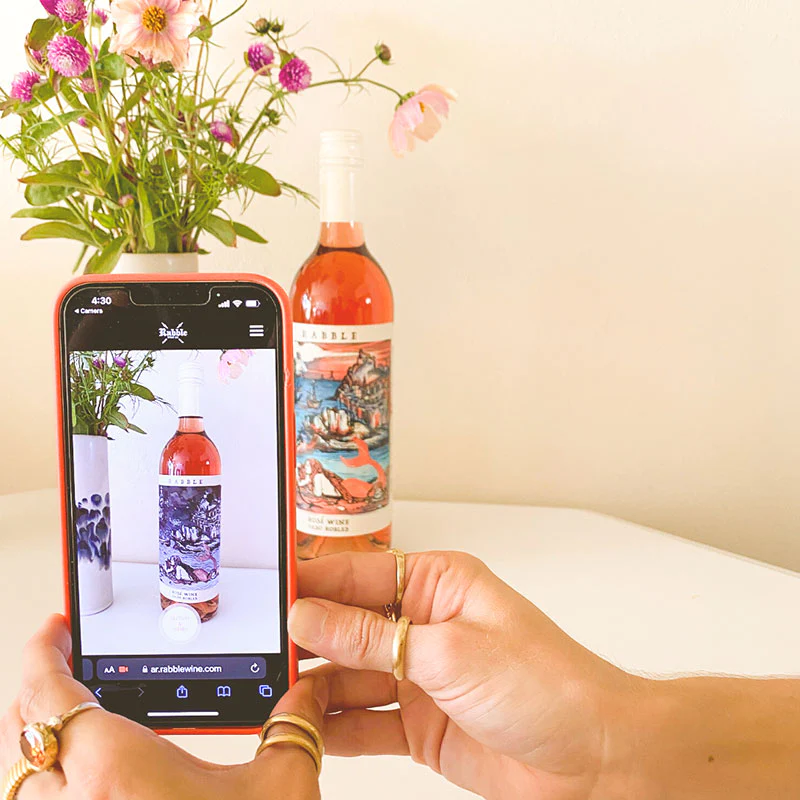
Digital elements can extend a physical experience when they have a clear role. Rabble Wine’s augmented-reality labels offer a way for visitors to interact with the bottle’s artwork through a phone. The product remains at the center of the encounter, with another layer of discovery available to those who want it.
Design an understandable route through the space for guests who do not use that feature, too. Instructions, lighting, sound and accessible presentation all influence whether a digital element feels natural or becomes a barrier.
Connect creative ambition with practical delivery
The guest sees the finished experience. Behind it are decisions about the property, production, staffing, stock, access, maintenance and daily operations. Planning these together helps the design work as intended when visitors arrive.
Material choices and reuse opportunities also belong early in the process. Consider which fixtures can travel, which graphics need replacing and how the space will be taken down. Specific decisions are more useful than broad claims about an event’s sustainability.
Design for what happens afterward
The visitor journey continues after the exit. A relevant case story, product destination or voluntary follow-up can connect the experience with the wider relationship. Keep that next step simple, explain what someone is signing up for and give them a clear choice.
Evaluate the activation against its original purpose. Guest feedback, the quality of conversations, product discovery and subsequent inquiries can inform the next iteration. The goal is a coherent experience that helps people understand and connect with the brand.