Location planning · By the POPUP team
A practical guide to planning pop-ups in New York, Los Angeles, Austin, Miami and Atlanta—and choosing an address around the experience you want to create.
Originally published January 1, 2024. Updated September 29, 2026.
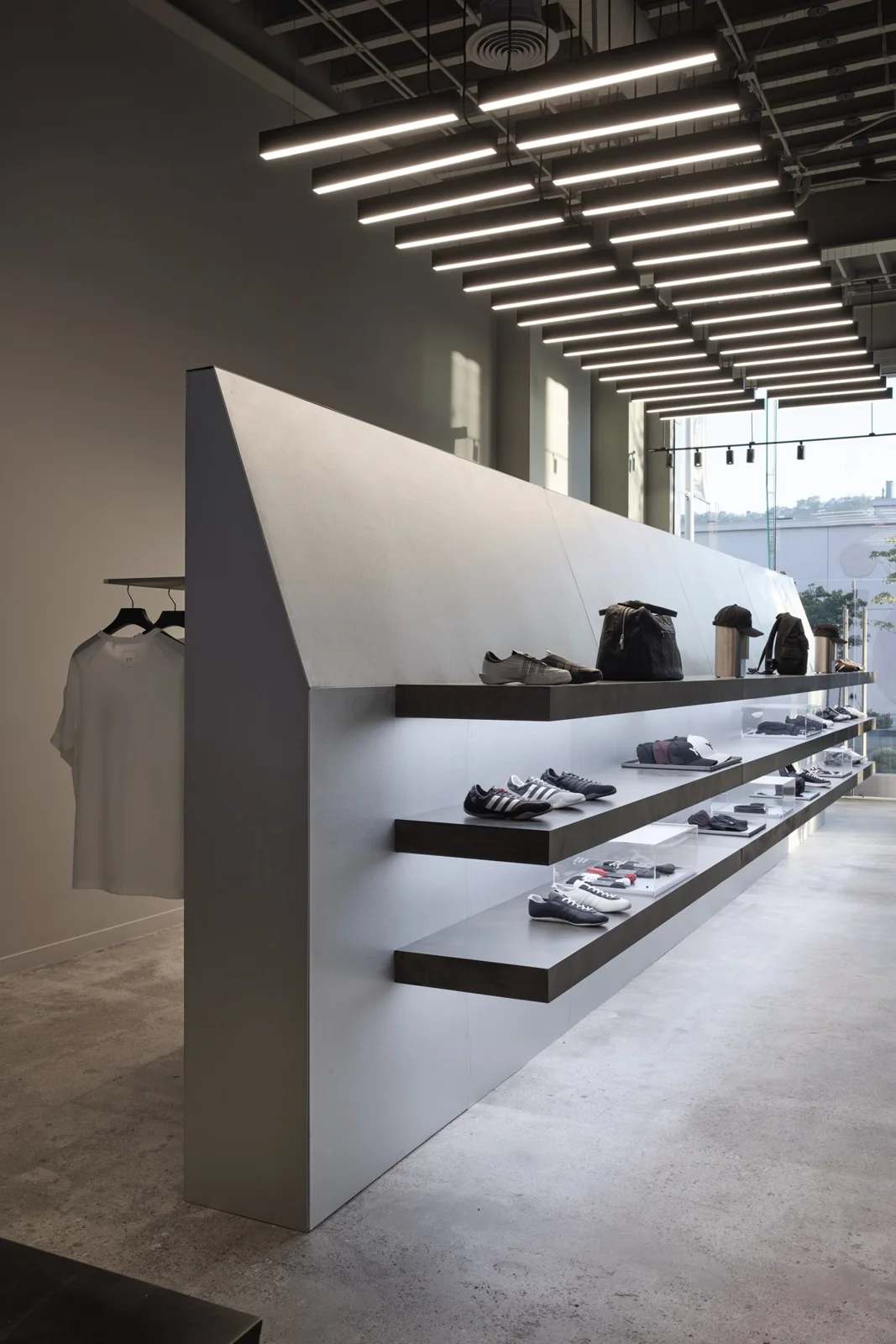
Featured image: Adidas Y-3, West Hollywood. Interior design concept by VAUST.
Start with the audience, then choose the address.
A city can be right for a brand and still be wrong for a particular activation. Before comparing storefronts, define who should visit, what they should do and what makes the visit worth their time. A fragrance trial, an artist meet-and-greet and a managed fashion store each ask something different of a location.
Use this guide as a planning framework for five U.S. markets. It develops the cities covered in POPUP’s original 2024 location article, with practical questions to guide the next brief.
New York: build the experience around a specific neighborhood.
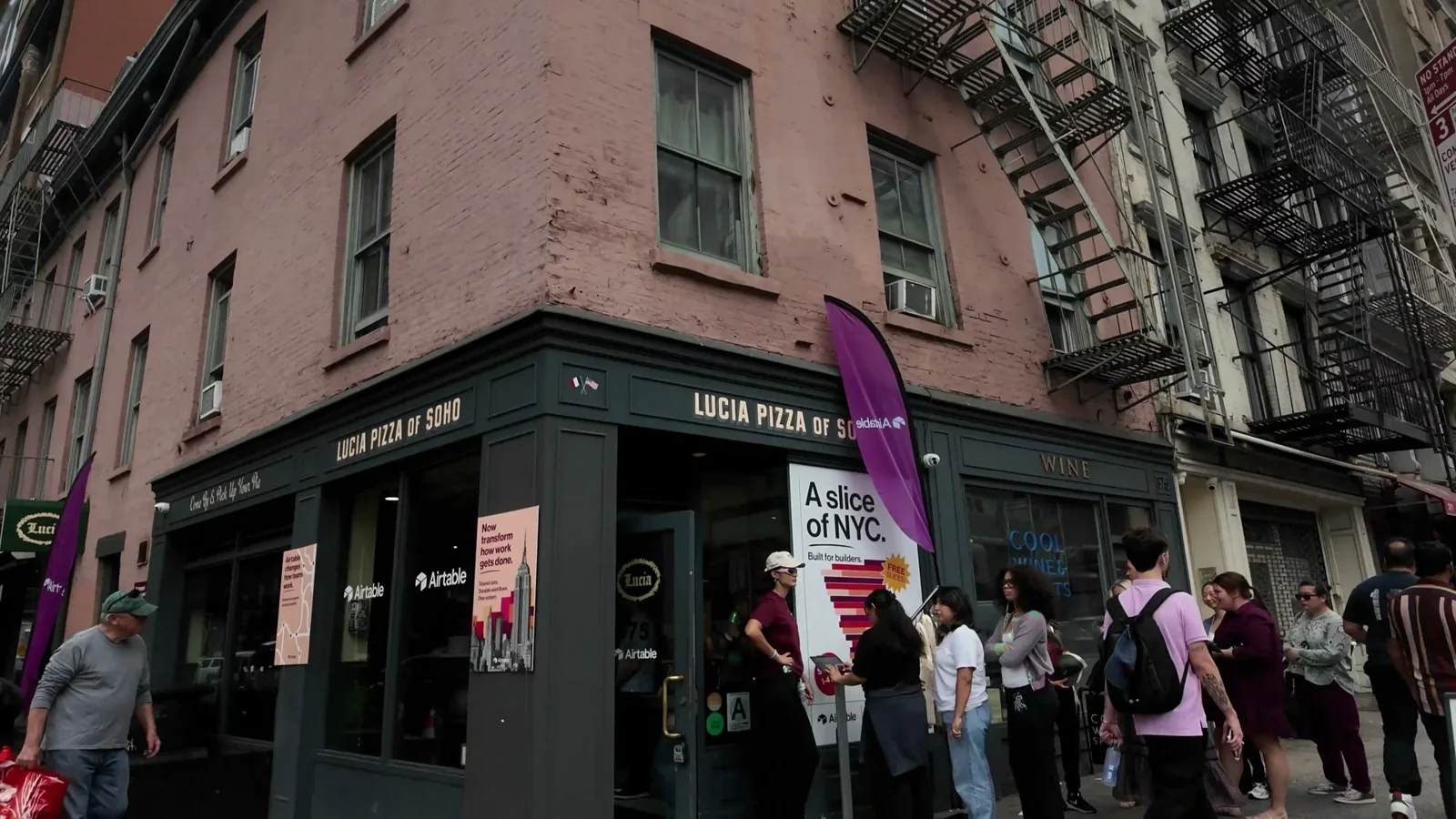
Choose the audience and behavior you want to reach before choosing a New York address. Consider how visitors will discover the space, how a queue will meet the sidewalk and how the arrival will feel during the hours you plan to operate.
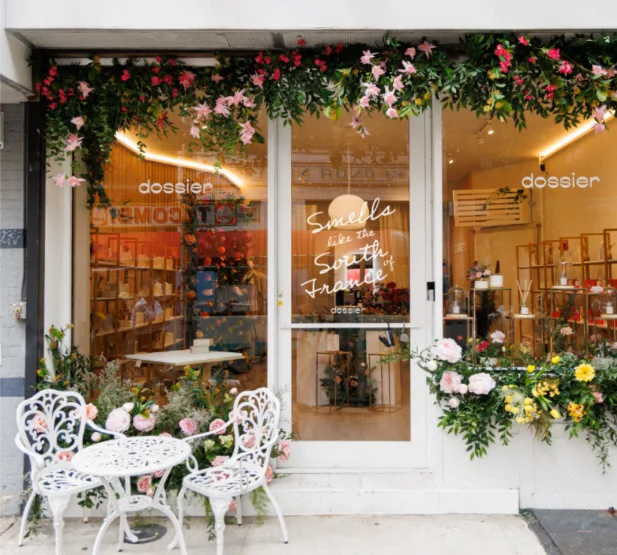
At Dossier’s Elizabeth Street pop-up, fragrance testing and personalization gave online customers a reason to visit in person. ElevenLabs used a SoHo store for working demonstrations of voice AI. Both illustrate why the product experience and the neighborhood should be planned together.
Los Angeles: give the destination a clear reason to exist.
Plan the journey to the site as carefully as the setting inside it. Compare pedestrian access, transport, parking and the audience’s existing routines. If an activation relies on a scheduled appearance, the arrival and waiting experience deserve their own production plan.
The Cowboy Tears Meme Museum gave Oliver Tree fans a specific place to enter the artist’s world. Adidas Y-3’s West Hollywood flagship uses a different model: an ongoing retail presence at 8500 Melrose, with venue support that continues beyond opening.
Austin: decide how much the calendar should shape the project.
If the brief is tied to a conference, festival or cultural moment, check its official dates and access requirements before choosing a site. Compare the audience you want with the audience actually moving through the area, and build venue, supplier and operating assumptions around that period.
A useful brief should also explain what the project would achieve outside a major event window. That comparison helps reveal whether the calendar is central to the idea or simply an expensive backdrop.
Miami: connect the environment with the operating plan.
Define whether the project is a neighborhood store, a hospitality-led experience or an event built around a particular gathering. Test the proposed address against the audience, visit duration and service model.
For outdoor elements, plan shade, weather response and how the experience continues if conditions change. Product discovery, comfort and staff routines need to work together throughout the day.
Atlanta: plan for the community you want to bring together.
Be precise about the local audience, partners and reason to visit. Map the journey from invitation or discovery to arrival, entry, participation and departure. A recognizable city name cannot replace a relevant neighborhood and a workable guest experience.
Atlanta was one of the markets in the ATEEZ × hello82 retail tour. That program demonstrates a useful planning distinction: a shared creative system can travel, while each city still needs its own venue and operating plan.
Use the same questions to compare every shortlist.
Audience: who is nearby, who will make a dedicated trip, and how will they hear about it? Experience: can the space support product trial, retail, hospitality or an artist encounter without competing flows? Operations: can the team receive deliveries, store inventory, serve visitors and manage queues?
Measurement: agree in advance what counts as a visit, a product interaction, a purchase or a permission-based signup. Record these separately. A busy room and a useful business result are related questions, but they need different evidence.
The strongest address is the one that serves the brief in practice. Start with a clear experience, test the site against it, and build the day-to-day operation into the decision.